 EN
EN
 AR
AR NL
NL FR
FR DE
DE IT
IT JA
JA KO
KO PL
PL PT
PT RU
RU ES
ES ID
ID SR
SR UK
UK VI
VI HU
HU TH
TH TR
TR MS
MS BE
BE AZ
AZ KK
KK TG
TG UZ
UZ KY
KY

Is a freezer a refrigeration unit?
Yes, a freezer is a type of refrigeration unit but it runs at much lower temperatures. While a fridge keeps food just above freezing, usually between 2°C and 5°C, a freezer drops to around –18°C or lower to stop bacteria and keep food fresh longer. Both have the same main parts a compressor, condenser, expansion valve and evaporator but a freezer’s system works harder and runs longer to remove more heat. Think of them as siblings both use the same cooling cycle but the freezer takes it further. In commercial use, big freezers store or transport frozen goods over long distances and even delivery trucks use mini refrigeration systems to keep items cold. When you see frost on freezer walls, it means it’s doing its job well but regular defrosting and not overloading it help keep it running smoothly.
What is the difference between AC and refrigeration?
Air conditioning (AC) and refrigeration both work by moving heat from one place to another but they serve different goals. AC is made to keep people comfortable by removing heat and humidity from indoor air and releasing it outside. When you turn on your AC at home, it cools the air to around 22°C–26°C not freezing, just pleasant and breathable. Refrigeration, meanwhile is about keeping things fresh and safe, not people cool. It lowers temperatures much more to slow bacteria and prevent spoilage, like how your fridge keeps fruits fresh and your freezer preserves meat for months. In industries, refrigeration helps store food, medicine and other perishable goods. Think of it this way AC is for comfort cooling while refrigeration is for preservation cooling. Both use similar parts like compressors and condensers but AC systems handle lighter larger spaces while refrigeration units manage stronger cooling in smaller insulated areas.
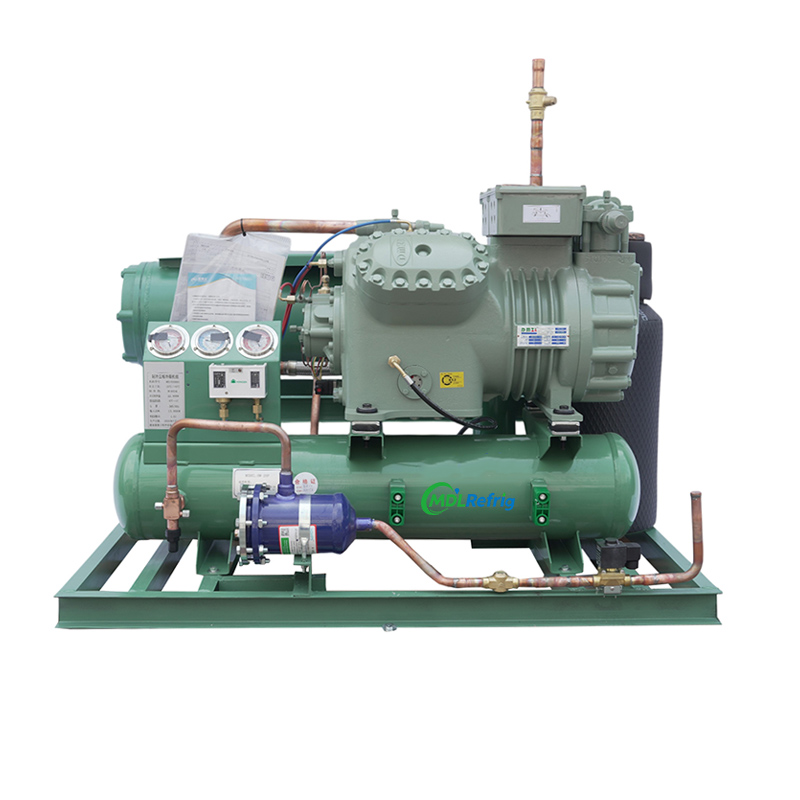
How exactly do refrigerators cool things down?
Refrigerators keep things cool through a smart process called the refrigeration cycle. Instead of making cold air, they remove heat from inside and release it outside. It starts with the compressor, which squeezes a gas called refrigerant making it hot and high in pressure before sending it through metal coils. In the condenser coils, the refrigerant cools down and turns into a liquid, releasing heat so you can often feel this warmth on the back of your fridge. Then it passes through the expansion valve, where the pressure drops and the refrigerant becomes very cold. Next, it moves through the evaporator coils inside the fridge where a fan blows air over them to spread the coolness. As the refrigerant absorbs heat, it turns back into a gas and returns to the compressor, starting the cycle again. This process runs quietly to keep your food fresh while modern sensors and thermostats help maintain the right temperature efficiently.
How do you design a refrigeration system?
Designing a refrigeration system means turning your cooling goal into a real, working setup. Start by defining what you need to cool like food, frozen goods or medicine along with the target temperature, cooling time, and storage length. Check the space or power limits of the room or vehicle where it will be installed. Next, estimate the cooling load by listing all heat sources like warm products, people, lights and incoming air. Add a safety margin of about 10–30% to avoid undersizing. Then choose your system type direct expansion or secondary loop and pick a refrigerant that fits your temperature range, efficiency needs and local rules. Select the main parts carefully, a compressor that matches your capacity, an air- or water-cooled condenser, an evaporator suited for your use and an expansion valve for control. Properly size the piping and include controls, filters and sensors. Insulate walls, pipes and ducts to reduce heat gain, and plan airflow so nothing blocks the coils. Make sure to add safety devices like pressure cutouts, relief valves and emergency shutoffs, and check that everything meets local codes. When commissioning charge the right refrigerant, test superheat, subcooling and defrost, and fine-tune the controller. Then lastly, create a simple maintenance plan for cleaning, leak checks and coil care to keep the system efficient like for example, a small bakery designing a 4°C walk-in cooler might choose a 1.5 kW direct expansion unit with an air-cooled condenser, TXV and digital controller to handle door openings and maintain steady performance.
Picture suggestions: Overall system schematic (compressor → condenser → expansion device → evaporator). Layout of a walk-in cooler showing evaporator location and airflow. Simple piping diagram with service valves and oil trap. Checklist before you finish: load calc, component list with specs, piping layout, control strategy, safety devices, commissioning plan, and maintenance schedule.

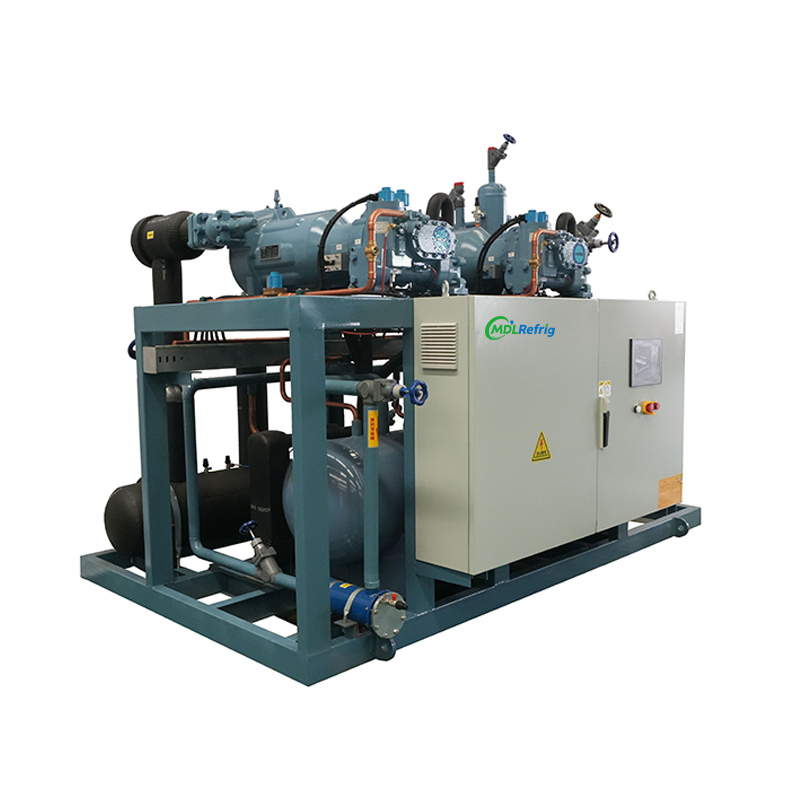
Refrigeration unit and condensing unit equipment manufacturer, professional production team, strict online and offline inspection method, makes condensing unit products well distributed to more than 68 countries all over the world.