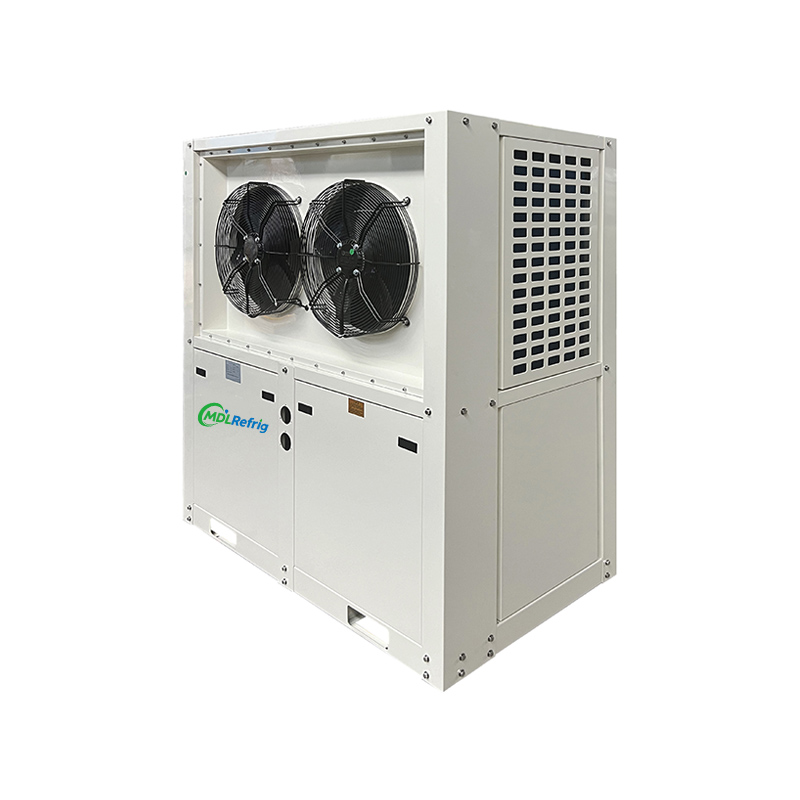

Home > showlist
When we step into a cold room, it feels as if there is a physical chill in the air. The room is freezing, to assist in the preservation of freshness. The world is full of these kinds of cold rooms, which are common in all kinds of industries to store food (and medication) and anything else that needs to be kept cool. What are cold rooms and hoe do they work?
Cold rooms operate as a result of a technology called refrigeration. So the room and chamber are held at freezing temperatures by sucking all the heat out of them. It cools air by running it through a series of compressor and coil systems. This Air cooler for cold room is then circulated around the room, ensuring that everything inside it remains nice and cool.
A cold hut can be difficult to work in the temperature is arctic. You will want to keep warm, so be sure to dress in layers. Gloves and hats can keep you from getting too cold as you work. If you’re starting to feel the effects of the cold, make sure to take a break and warm up. Stay safe and be aware of what your body is telling you.
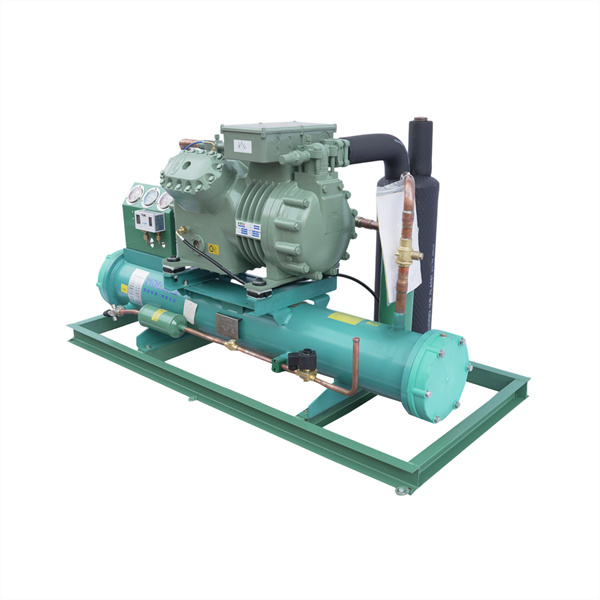
Temperatutre control is very critical in a cold room fascility. If it's too hot, perishable items such as food could spoil. When the temperature drops well below freezing, perishable items inside can freeze and go bad. That’s why it’s a good idea to monitor and adjust the temperature in an industrial chiller unit frequently so that you can keep everything fresh enough and safe to use.

From nerve-soothing chawanmushi to mushroom-fronded steamed cauliflower, this is the kind of food you want in a quick freezing tunnel and under the right conditions it will keep well on a sideboard. Make sure to arrange items neatly because air should be able to circulate around them. Keep food and items raised off the floor, to keep them from becoming excessively cold. Be mindful of expiration dates, rotating products so older ones are used first. Keep these tips in mind, and you can help to ensure your perishables will remain safe and healthy to eat.
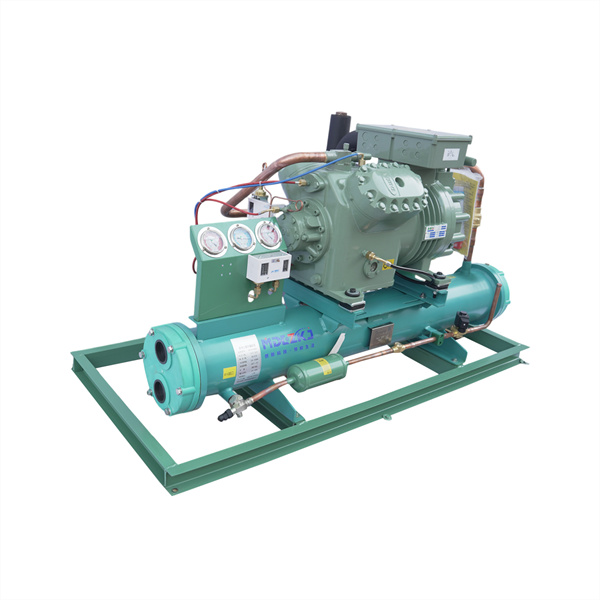
Cold rooms are used in restaurants and many different industries to keep an enormous quantity of things chilled. As with any other industry, the food industry also uses cold rooms for storing vegetables, fruits and meats. In the medical sector, cold rooms hold chill-requiring vaccines and medicines. Laboratory refrigerator Laboratory refrigerators are also used in research laboratories for the storage of scientific samples. And the potential uses of Air-cooling condensing unit myriad we can only expect to see this list grow as technology advances.
 EN
EN
 AR
AR NL
NL FR
FR DE
DE IT
IT JA
JA KO
KO PL
PL PT
PT RU
RU ES
ES ID
ID SR
SR UK
UK VI
VI HU
HU TH
TH TR
TR MS
MS BE
BE AZ
AZ KK
KK TG
TG UZ
UZ KY
KY